Loading...
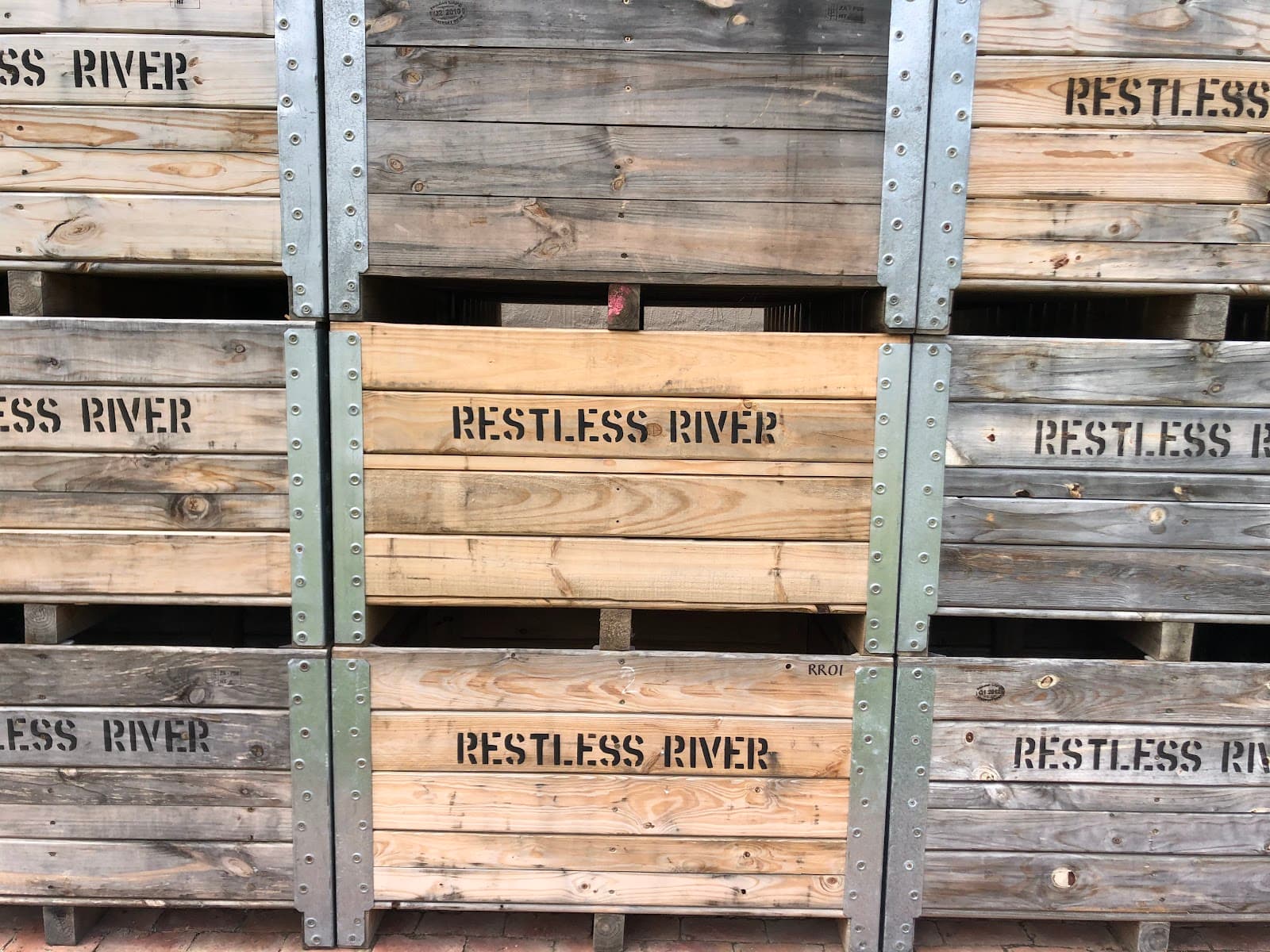
About Restless River Wines
Established in 2004
Restless River is one of South African wine's most unlikely success stories. In 2004, Craig and Anne Wessels -- a husband-and-wife duo with no farming or winemaking experience -- moved their family from Cape Town to the Upper Hemel-en-Aarde Valley. Craig's entire formal training consisted of a weekend garagiste winemaking course at Stellenbosch University in 2002. Everything else came from curiosity, instinct, and a deep respect for the craft.
What Craig found on his property, however, was extraordinary: the oldest Cabernet Sauvignon and Chardonnay vines in the Hemel-en-Aarde, planted in 1999. In a valley famous for Pinot Noir, Cabernet Sauvignon was considered an outlier -- too warm a variety for such a cool climate. Craig saw it differently. He believed that the Upper Valley's particular combination of granite soils, altitude, and Atlantic influence could produce a Cabernet of structure, elegance, and saline minerality unlike anything else in South Africa.
The first wines were released in 2012, and the reaction was immediate. The Main Road and Dignity Cabernet Sauvignon -- named for the intersection near the farm -- has become one of the most critically acclaimed wines in the country, scoring as the top-rated South African Cabernet in the Winemag 2024 Prescient Report. Its character is distinctive: blackcurrant, iodine, crushed stones, tobacco, and sandalwood on the nose, with firm chalky tannins and a saline, mineral finish. This is not a warm-climate Cabernet; it is a cool-climate revelation.
The Ava Marie Chardonnay, named after the Wessels' daughter and sourced from a single 2.06-hectare vineyard, is equally compelling -- a wine of precision and restraint. Pinot Noir vines were added in 2013, and the Le Luc Pinot Noir has joined the range, extending the estate's cool-climate credentials.
The cellar retains the feel of its garagiste origins: a wooden press, small wine tanks, four oak fermenters, a couple of terracotta amphorae, and rows of barrels in a dark, cool space that would not look out of place in Burgundy. Luke Wessels, Craig and Anne's son, now oversees vineyard management -- making Restless River a genuine family operation. The Wessels family has historical ties to the valley dating back to 1760, adding ancestral depth to their modern project.
Tastings are by appointment only, reflecting the estate's tiny production and personal approach. This is not a destination for casual drop-ins; it is a pilgrimage for serious wine lovers who have heard the name whispered among collectors and critics. Contact Anne Wessels directly to arrange a visit.
Main Road and Dignity Cabernet Sauvignon: top-rated SA Cabernet in Winemag 2024 Prescient Report
Home to the oldest Cabernet Sauvignon and Chardonnay vines in the Hemel-en-Aarde (planted 1999)
The lone pioneer of Cabernet Sauvignon in a valley famous for Pinot Noir
Garagiste origins: self-taught winemaker Craig Wessels, weekend course to world acclaim
Ava Marie Chardonnay from a single 2.06-hectare vineyard named after their daughter
Family ties to the Hemel-en-Aarde Valley dating back to 1760
Tasting by appointment only -- intimate, personal, and sought-after
Gourmet
Scenic
Boutique
The Winemaker
Craig Wessels
Craig Wessels is an entirely self-taught winemaker whose formal training was a weekend garagiste course at Stellenbosch University in 2002. Everything since has been learned through practice, observation, and relentless curiosity. His son Luke Wessels oversees vineyard management. The family has historical ties to the Hemel-en-Aarde Valley dating back to 1760. Craig's cellar retains its artisan character: a wooden press, small tanks, oak fermenters, terracotta amphorae, and barrel rows in a dark, cool space.
Our Heritage
The story of Restless River Wines through the years
1999
Oldest Cabernet Vines Planted
The Cabernet Sauvignon and Chardonnay vines that will become the foundation of Restless River are planted in the Upper Hemel-en-Aarde Valley -- the oldest of their kind in the region.
2004
Craig and Anne Wessels Arrive
The Wessels family moves from Cape Town to the Upper Hemel-en-Aarde Valley, purchasing the property and beginning their self-taught journey into winemaking.
2012
First Wines Released
Restless River releases its debut wines after years of learning and refining in the garage cellar. The response from critics is immediate and enthusiastic.
2024
Top SA Cabernet Sauvignon
The Main Road and Dignity Cabernet Sauvignon scores as the top-rated South African Cabernet in the Winemag Prescient Report, confirming its place among the country's finest.
Sustainability
Restless River is a small, family-run estate in the Upper Hemel-en-Aarde Valley where hands-on viticulture and minimal-intervention winemaking define the approach. The Wessels family has ancestral ties to the valley dating back to 1760, and their stewardship of the land reflects a deep, multi-generational connection to place.
More in Hemel En Aarde
Quick Facts
RegionHemel En Aarde
Established2004
WinemakerCraig Wessels
Rating4.7 / 5
Wine Varietals3