Loading...
About Lammershoek
Established in 1718
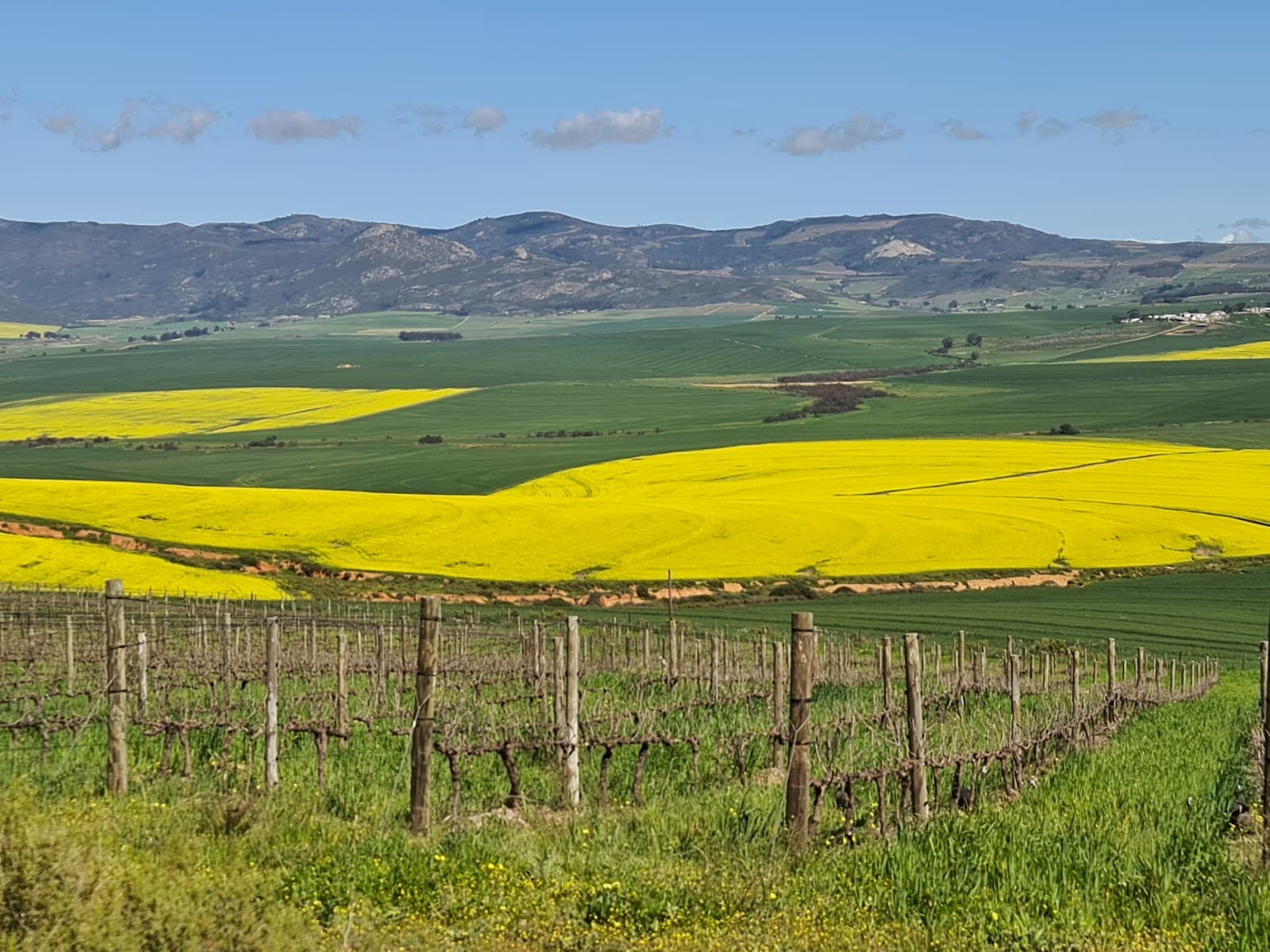
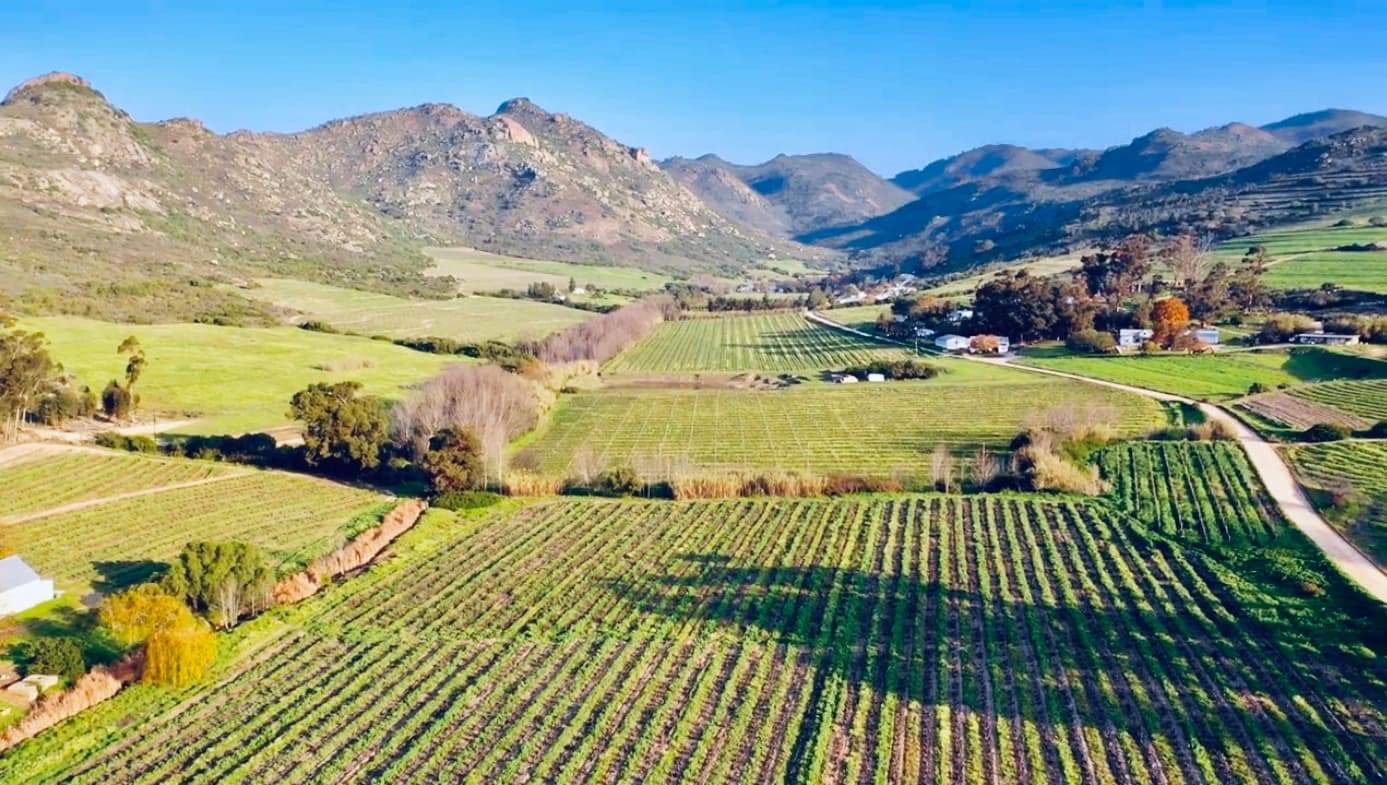
In the Aprilskloof Valley on the western slopes of the Paardeberg, roughly 80 kilometres from Cape Town, Lammershoek occupies some of the oldest continuously farmed wine land in the Swartland. The name -- Afrikaans for 'lambs' corner' -- dates to the early eighteenth century, with legend telling of ewes sheltering their lambs from raptors in this protected fold of hills. The first documented mention of the farm appears in records from 1714, official ownership was granted in 1718, and by 1719 the records note 600 vines planted on the property. Three centuries of viticulture have passed since.
For most of that history, Lammershoek was mixed farmland. The transition to specialist wine production came gradually through the twentieth century, and the farm played its part in the Swartland Revolution of the early 2000s, when a generation of winemakers began to demonstrate that this hot, dry wheat-farming region could produce wines of extraordinary depth and character. In 2013, the property was acquired by a trio of German businessmen and sporting executives, among them football legend Franz Beckenbauer. Andreas and Sonja Abold took the operational lead, entrusting the cellar to winemaker Schalk Opperman, who has since shaped Lammershoek into one of the most compelling organic producers in the Cape.
The farm spans 60 hectares of vineyard, all farmed organically and mostly by the traditional Swartland method of dryland bush vines -- unirrigated and dependent entirely on winter rainfall. The soils are predominantly decomposed granite and schist on the Paardeberg slopes, producing wines of mineral intensity and structural depth. In the cellar, Opperman works with natural fermentations, avoids fining and filtration where possible, and ages wines in a mix of old oak, concrete eggs, and clay amphorae. The philosophy is simple: let the land speak.
The wine portfolio is structured across four ranges. The Innocent collection offers everyday-drinking wines of striking quality at accessible prices -- honest Swartland Chenin Blanc, Pinotage, and blends. The Mysteries range is where Opperman experiments with single-vineyard expressions and unconventional varieties: field blends, skin-contact whites, and wines from heritage plantings that reveal the biodiversity of the Paardeberg. The Reserve range showcases the finest old-vine parcels, including a powerful Syrah and a concentrated Chenin Blanc from vines over 40 years old. At the summit sits Libero No.5, the flagship red -- a Syrah-dominant blend with Carignan and Grenache, co-fermented with touches of Viognier and Chenin, and named in honour of Beckenbauer's legendary playing position and jersey number.
Lammershoek offers tastings at the farm, where visitors can explore the full portfolio in a setting surrounded by fynbos and olive groves. The estate also produces olive oil and hosts occasional harvest events. There is a sense of deep time here -- a farm that has been making wine for over three hundred years, now guided by organic principles and a winemaker who believes the Swartland's old vines are among the most precious viticultural resources on the continent.
Over 300 years of continuous viticulture -- vines first planted in 1719
60 hectares of organically farmed dryland Swartland bush vines
Part-owned by football legend Franz Beckenbauer -- flagship named Libero No.5
Natural winemaking with indigenous fermentations, concrete eggs, and clay amphorae
Pioneer of the Swartland Revolution and the natural wine movement
Paardeberg terroir: decomposed granite and schist soils
The Winemaker
Schalk Opperman
Schalk Opperman took over the cellar at Lammershoek following the 2013 acquisition, inheriting 60 hectares of organically farmed Swartland bush vines on the Paardeberg. He works with natural fermentations, minimal fining and filtration, and ages wines in old oak, concrete eggs, and clay amphorae to preserve the authentic expression of the farm's centuries-old terroir.
Our Heritage
The story of Lammershoek through the years
1714
First Documented Mention
The earliest known documentation of Lammershoek appears in Swartland historical records.
1718
Official Ownership Granted
The farm receives its first official title deed, establishing formal ownership.
1719
First Vines Planted
Records document 600 vines planted on Lammershoek, beginning over three centuries of viticulture.
2013
German Acquisition
The farm is acquired by Andreas and Sonja Abold and partners including Franz Beckenbauer. Winemaker Schalk Opperman takes the reins.
Sustainability
All 60 hectares of vineyard are farmed organically. The traditional Swartland dryland method -- unirrigated bush vines dependent on winter rainfall -- is inherently low-impact. The farm maintains biodiversity through fynbos corridors and olive groves alongside the vineyards.
Accreditations
Certified Organic Vineyards
Swartland Revolution Pioneer
More in Swartland

Quick Facts
RegionSwartland
Established1718
WinemakerSchalk Opperman
Wine Varietals5